
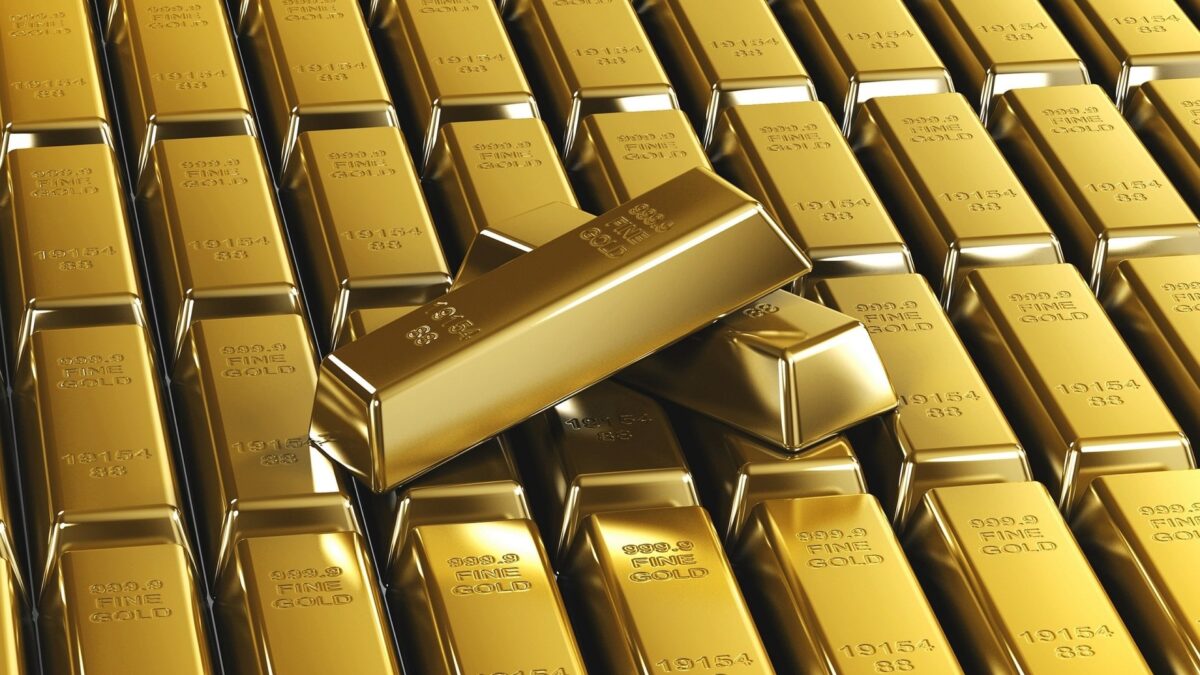
When gold price today spikes and oil prices jump at the same time, markets aren’t being dramatic. They’re pricing in risk.
After the latest escalation between the United States and Iran, traders reacted immediately. Energy contracts rose. Gold futures strengthened. According to reporting from Reuters, investors began factoring in supply disruption scenarios and prolonged geopolitical uncertainty.
This is not just a headline moment. It’s a signal.
The real question is not whether prices are up today. It’s what that movement implies for consumers, investors, and the broader economy.
Gold Rises When Confidence Falls
Gold does not move because of production shortages. It moves because of psychology.
When geopolitical tension increases, capital rotates toward perceived safety. Live futures data from Investing’s gold streaming chart shows how quickly that shift can happen during periods of instability, with interactive charts updating prices and trends in real time.
Most people assume gold rises only during inflation.
That’s incomplete.
Gold often strengthens when uncertainty rises faster than clarity. Analysts cited by MarketWatch note that safe-haven demand increases when investors hedge against unpredictable policy outcomes or regional conflict.
This week fits that pattern.
Gold’s movement is less about the metal itself and more about what it represents: a temporary retreat from risk.
When equities look fragile and headlines escalate, capital seeks insulation.
Oil Doesn’t Rise on Fear. It Rises on Supply Risk.
Gold reflects caution. Oil reflects logistics.
The Middle East plays a central role in global energy flows. Even the possibility of disrupted shipping routes or production cuts can lift crude benchmarks. The U.S. Energy Information Administration repeatedly highlights how sensitive global supply chains are to geopolitical developments in the region.
Live Brent crude tracking via CNBC’s oil data shows how quickly contracts respond when risk premiums enter the market.
Here’s the difference:
- Gold rises because investors are nervous.
- Oil rises because supply might tighten.
Those are two different mechanisms — but when they move together, markets are pricing both uncertainty and potential inflation.
That combination matters.
When Oil Moves, Your Costs Eventually Move
Oil prices do not stay confined to trading desks.
They filter through transportation, freight, manufacturing, and food distribution. As explained by Investopedia’s breakdown on oil and inflation, energy is embedded in nearly every supply chain.
Higher crude can mean:
- Increased gasoline prices
- More expensive air travel
- Higher shipping fees
- Gradual pressure on grocery costs
The adjustment is not instant. Retail fuel prices respond with a lag. But sustained crude increases tend to show up in consumer expenses.
Gold affects portfolios.
Oil affects households.
That’s the distinction most headlines skip.
Most Investors Watch Stocks. Smart Investors Watch Commodities.
Equity markets get the attention. Commodities often reveal the early warning.
When gold and oil both strengthen, traders are hedging two risks at once:
- Market volatility
- Cost inflation
Energy producers may benefit from higher benchmarks. Airlines and logistics firms may face margin pressure. The impact is uneven.
Coverage from Reuters Markets shows how sector rotation often accompanies commodity spikes. Defensive positioning grows. Risk exposure tightens.
This is not panic.
It is repricing.
What Happens Next Depends on One Variable
Markets react to uncertainty. They stabilize around clarity.
If diplomatic efforts resume and supply concerns ease, risk premiums embedded in oil contracts can moderate. If escalation continues, volatility may persist.
The data from the U.S. Energy Information Administration will become especially relevant in the coming weeks. Inventory levels, production updates, and shipping flow signals will determine whether the current movement is temporary or structural.
Gold, meanwhile, will track sentiment.
If equity markets regain stability, safe-haven demand could cool. If uncertainty compounds, bullion may continue absorbing defensive capital.
Don’t Confuse Movement With Crisis
Sharp commodity moves feel dramatic.
But context matters.
Oil has historically responded quickly to geopolitical stress and just as quickly to de-escalation. Gold often retraces when risk appetite returns.
The critical factor is duration.
Short-lived tension creates short-lived premiums.
Prolonged instability creates structural shifts.
Right now, markets are reacting — not forecasting catastrophe.
What This Means for You
For consumers:
- Watch fuel prices locally.
- Expect gradual adjustments if crude remains elevated.
For investors:
- Monitor sector sensitivity, not just headline indices.
- Track commodity benchmarks alongside equities.
For policymakers:
- Inflation expectations may re-enter the discussion if energy prices remain firm.
The connection between gold price today and oil prices is not symbolic. It reflects how global capital interprets geopolitical stress.
When both rise together, markets are signaling caution — not chaos, but calculation.
The story is not that prices moved.
The story is why they moved — and how long they stay elevated.
And that answer will depend less on trading desks and more on diplomatic developments in the days ahead.