
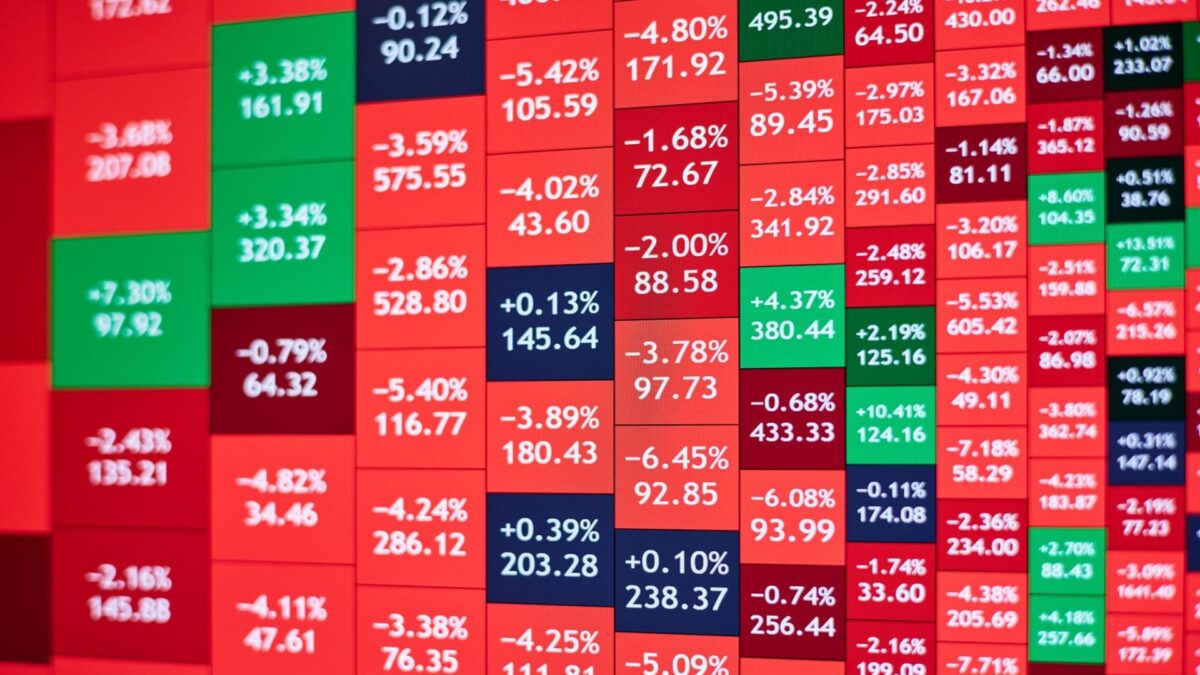
The SPDR S&P 500 ETF Trust, better known by its ticker SPY, has moved sharply alongside broader market volatility as investors react to geopolitical tension, rising oil prices and shifting Treasury yields. As one of the most widely traded exchange-traded funds in the world, SPY often serves as a real-time barometer for overall market sentiment. According to live pricing data from Yahoo Finance’s SPY quote page, the ETF has experienced heightened intraday swings as uncertainty spreads across asset classes.
When volatility increases, SPY rarely stays quiet. It reflects the full weight of macro forces acting on U.S. equities.
Why SPY Moves So Closely With Market Turbulence
SPY tracks the S&P 500 index, providing exposure to 500 of the largest publicly traded companies in the United States. Because it represents broad market performance, any shift in macro expectations — from inflation to geopolitics — tends to show up quickly in SPY’s price action.
A technical overview from TradingView’s SPY chart data shows how volatility has increased recently, with wider daily trading ranges and stronger momentum shifts compared to calmer periods.
Several factors are currently driving SPY’s volatility:
• Geopolitical tensions affecting global supply chains
• Rising oil prices adding inflation pressure
• Treasury yield fluctuations altering equity valuations
• Investor repositioning across sectors
When these forces converge, broad-market ETFs often become the focal point for both institutional hedging and retail trading activity.
Oil and Inflation Add Pressure
Rising crude prices have contributed to renewed inflation concerns. Higher energy costs can ripple through transportation, manufacturing and consumer pricing, complicating expectations for Federal Reserve policy.
Recent coverage of oil’s impact on equities from Investors.com market updates highlights how energy price spikes have coincided with broader equity market weakness. Because SPY includes energy companies alongside technology, healthcare and financial stocks, it absorbs both positive and negative sector effects.
Energy stocks may benefit from higher oil prices, but growth and consumer-facing sectors often feel the pressure. The net result is increased index-level volatility.
Treasury Yields and Valuation Shifts
Bond market dynamics also influence SPY’s direction. Rising Treasury yields typically weigh on growth stocks by increasing discount rates applied to future earnings.
Recent bond market commentary from MarketWatch’s coverage of Treasury moves underscores how unusual yield fluctuations have added another layer of uncertainty to equities.
When yields climb:
• Technology stocks often face valuation compression
• Dividend-paying sectors may gain relative appeal
• Investors reassess risk premiums
Since SPY holds companies across all major sectors, yield-driven rotation can create sharp internal shifts even if the headline index appears stable.
Expected Move and Options Activity
Volatility is not only visible in price charts — it also appears in options markets.
Data from Barchart’s SPY expected move tracker provides insight into how traders anticipate near-term price ranges. When implied volatility rises, expected move ranges widen, signaling greater uncertainty about upcoming market direction.
Elevated implied volatility often reflects:
• Anticipation of major economic data releases
• Heightened geopolitical risk
• Increased hedging demand
• Short-term speculative positioning
SPY’s deep liquidity makes it a preferred vehicle for both hedging and tactical trading during turbulent periods.
Global Context and Risk Sentiment
Market volatility has not been confined to U.S. equities. International markets and commodities have also responded to shifting geopolitical conditions.
Coverage from The Guardian’s live market updates notes rising volatility indices and sharp swings in global equities, reinforcing the idea that SPY’s movement is part of a broader global repricing of risk.
Additionally, demand for safe-haven assets such as gold has increased during periods of heightened uncertainty. That trend can coincide with outflows from equity ETFs, including SPY, as investors temporarily reduce exposure to risk assets.
What Investors Are Watching Now
Given the current environment, investors monitoring SPY are focused on several key indicators:
• Oil price stability or continued rally
• Movement in the 10-year Treasury yield
• Upcoming inflation and employment data
• Federal Reserve policy signals
• Sector rotation trends within the S&P 500
Because SPY aggregates the performance of 500 companies, its movement often reflects the net balance of these forces rather than a single dominant driver.
Is SPY Signaling Deeper Market Risk?
Volatility alone does not necessarily imply structural weakness. Markets frequently experience periods of elevated movement before stabilizing.
However, sustained volatility combined with macro uncertainty can shift investor psychology. When large institutions increase hedging or reduce risk exposure, SPY often becomes the instrument through which those adjustments occur.
As one of the most liquid ETFs globally — with substantial daily trading volume — SPY acts as both a reflection of sentiment and a tool for managing it.
The Broader Perspective
SPY’s recent volatility underscores how interconnected modern markets have become. Oil prices, bond yields, geopolitical headlines and central bank expectations all feed directly into broad-market ETFs.
While short-term swings may create opportunities for active traders, long-term investors often focus on fundamentals and diversification. SPY remains a core holding for many portfolios precisely because it captures the overall trajectory of U.S. large-cap equities.
Periods of volatility test investor discipline, but they also provide clarity about which sectors are leading and which are lagging.
For now, SPY’s movement reflects a market navigating uncertainty rather than collapsing under it. Watching oil trends, yield direction and sector performance will likely provide clearer signals about where the ETF — and the broader market — head next.