
Late winter is the last quiet moment before spring chaos arrives. Winter’s still holding most places, but the sunlight shifts toward longer days. This window is perfect for preparation work. tasks that prevent scrambling in March and April. Most gardeners miss this opportunity, starting work when everything’s suddenly in growth mode. Plan in late winter; execute more easily later.
Assess and Plan (Indoors, No Tools Needed)
Review Last Year’s Garden
Pull out last year’s garden notes (or make them now if they don’t exist). What grew well? What failed? What took more space than expected? Which plants were worth the effort? Make these notes while memory is fresh. Use them to plan this year’s layout before buying seeds.
Sketch This Year’s Garden Map
On paper, draw bed locations. Note: sun exposure (6+ hours = full sun, 3-6 = partial sun, under 3 = shade), soil quality (heavy clay, sandy, loamy), drainage (wet, average, dry). Plant accordingly. Shade lovers in shade. Tomatoes in full sun. Drainage-lovers not in wet spots. Sketch prevents costly mistakes like planting sun-lovers where shade-lovers should be.
Order Seeds Early
Popular varieties sell out by March. Order now from seed companies (Johnny’s Seeds, Territorial Seed Company, Baker Creek). Review descriptions carefully: days to maturity, disease resistance, space requirements. Read reviews from gardeners in your zone. Save order confirmations and plant seed packet notes. You’ll reference them during the planting rush.
Soil Preparation
Test Soil (Or Schedule Testing)
Late winter is perfect for soil testing. Many universities offer inexpensive soil tests ($10-30). Samples take 1-2 weeks to return; results arrive with recommendations for amendments. Testing reveals: pH level (acidic/neutral/alkaline), nutrient content (nitrogen, phosphorus, potassium), and organic matter percentage. You can’t fix problems you don’t know exist.
Amend Heavy Soil
If your soil is heavy clay, add compost or aged manure now. Winter weather breaks it down and integrates it naturally. Late winter additions have 8-12 weeks to settle before spring planting. Aim for 2-4 inches of amendment worked into the top 8-12 inches of soil. Light tilling or digging helps, though repeated compost layering works even without tilling.
Build or Repair Raised Beds
If bed edges are rotting or warped, now’s the time to replace. You need materials (wood, metal, or composite), fasteners, soil, and compost. Building in the off-season means beds are ready and filled before spring rush. Raised beds need 2-3 weeks for soil to settle before planting heavily into them.
Pruning and Cleanup
Prune Dormant Trees and Shrubs
Trees and shrubs are most forgiving of heavy pruning in late dormancy (late winter through early spring, depending on your zone). Remove dead wood, cross-branches, and crowded growth. Spring-blooming shrubs (lilac, forsythia) should wait until after flowering; summer bloomers can be pruned now. Cut branches at 45-degree angles just above outward-facing buds.
Clear Winter Debris
Dead leaves, fallen branches, and accumulated debris harbor pests. Cleared beds warm faster and prepare for spring planting more easily. Don’t discard the debris; shred it (mower works) and add to compost or create leaf mold for next year.
Remove or Suppress Winter Weeds
Many winter weeds are annual or biennial, seeding before spring. Pull or dig them now before they set seed. Heavy cardboard or landscape fabric over problem areas, weighted with mulch, suppresses weeds without chemicals. By spring, they’ve been smothered and you start clean.
Tool and Infrastructure Maintenance
Service or Replace Tools
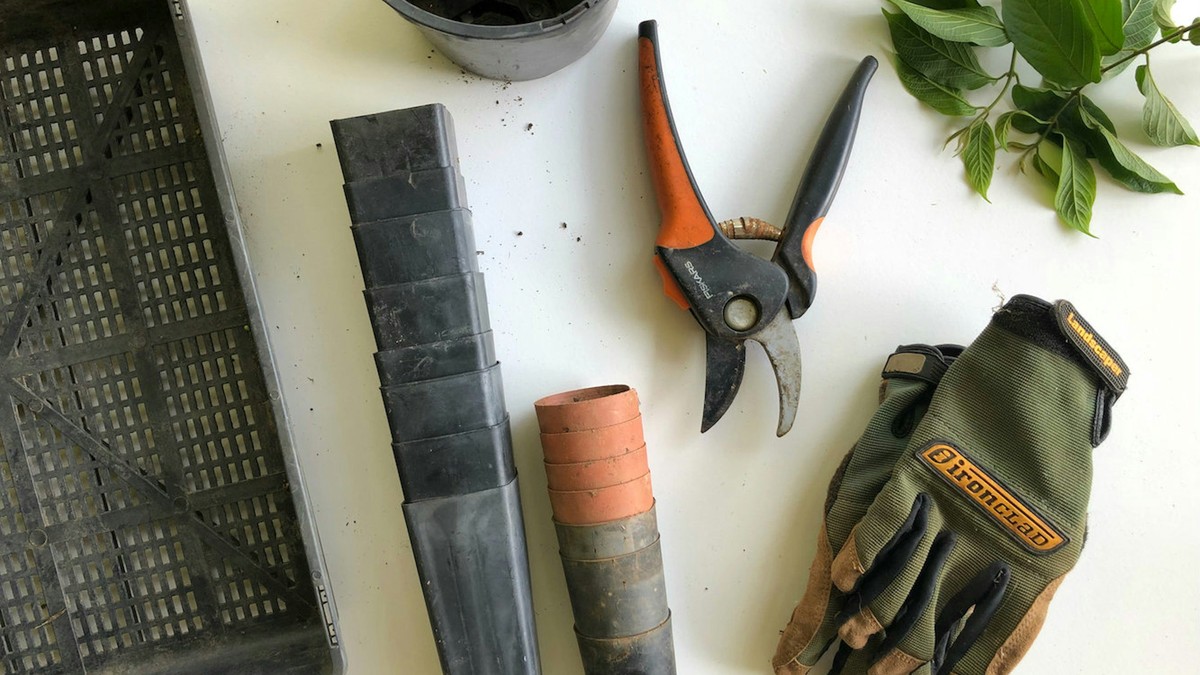
Dull tools are dangerous and inefficient. Sharpen spades, hoes, and pruners. Oil wooden handles. Replace handles if cracked or splintering. Oil metal where rust appears. Clean dried soil and debris. Working tools are infinitely more pleasant than broken or dull ones when the spring rush comes.
Check and Repair Infrastructure
Trellises, stakes, cold frames, row covers, and garden hoses. Fix wobbly structures. Test hoses for leaks. Clean debris from gutters if you collect rainwater. Repair now means less interruption during active growing season.
Set Up Watering Systems
Soaker hoses, timers, or irrigation lines take time to install thoughtfully. Late winter is perfect for running these before soil warms and planting begins. Proper watering infrastructure reduces hand-watering time later and delivers water more efficiently.
Start Early Plantings
Direct Seed Cold-Tolerant Crops
Late winter (depending on zone), direct seed peas, spinach, lettuce, and root crops outdoors if soil is workable. These germinate in cool soil. Succession planting (sow every 2-3 weeks) extends harvest. You’ll be harvesting peas in May if you plant early.
Start Warm-Season Seeds Indoors
Tomatoes, peppers, eggplant need 6-8 weeks of indoor growing before transplanting outside after frost. Late winter (in northern zones) or early spring (southern zones) is seed-starting time. Needs: fluorescent lights (or grow lights), heat mat for germination, seed trays, and sterile seed-starting mix. Plan space and setup now; execute when timing is right.
Mulching and Garden Edges
Plan Mulch Needs
Spring mulching reduces weeds and conserves moisture. Calculate bed square footage. Buy mulch (wood chips, straw, or compost) by the cubic yard. Arrange delivery or pickup for late winter/early spring when soil workable. Early delivery means you can spread before the rush.
Define Garden Edges
Clear overgrown grass and weeds from bed edges. Edge clearly (metal, plastic, or trenched borders) so beds are defined and mowing easier. Winter is when edge definition actually stays in place; spring growth quickly blurs boundaries.
Pre-Spring Checklist
- Review last year’s notes; plan this year’s layout
- Order seeds and supplies early
- Soil test and amend heavy soil
- Repair or build raised beds
- Prune dormant plants; clear debris
- Service and sharpen tools
- Set up watering infrastructure
- Start seeds indoors mid-to-late month
- Order mulch for spring delivery
- Edge beds clearly
Late winter’s quiet is your advantage. Use it. Spring will thank you.