
Homeownership often comes with unexpected expenses, and some of the most costly surprises come from major repairs. From damaged foundations to failing heating systems, certain home issues can quickly turn into thousands of dollars in repair bills. While regular maintenance helps prevent many problems, some homeowners still face major repairs simply because early warning signs go unnoticed.
Understanding which repairs tend to cost the most can help homeowners plan ahead and avoid serious financial stress. Research from most expensive home repairs overview shows that foundation problems, roof damage, HVAC failures, plumbing issues, and electrical repairs are among the most expensive home fixes homeowners encounter.
The good news is that many of these problems can be prevented or minimized with early maintenance and routine inspections.
Why Some Home Repairs Become So Expensive
Major home repairs usually become expensive when problems develop slowly and remain unnoticed for long periods of time. Small issues such as tiny roof leaks or minor foundation cracks may appear harmless at first, but over time they can lead to structural damage.
When problems spread to other parts of the home, repair costs increase significantly. Water damage, for example, can affect insulation, drywall, electrical wiring, and flooring at the same time. By the time the issue is discovered, homeowners may need several repairs instead of just one.
Because of this, experts recommend identifying early warning signs before they turn into major construction projects.
Foundation Repairs
Foundation problems are among the most serious and expensive issues homeowners face. When the structure of a home begins to shift or settle unevenly, it can cause cracks in walls, uneven floors, and doors that no longer close properly.
According to average foundation repair costs, foundation repairs typically range between $2,200 and $8,100, but large structural projects can exceed $15,000 or more depending on the severity of the damage.
Common warning signs include:
• cracks in walls or ceilings
• sloping floors
• gaps around windows and doors
• doors that stick or fail to close properly
Preventive steps include maintaining proper drainage around the home, keeping gutters clean, and ensuring water flows away from the foundation.
Roof Replacement
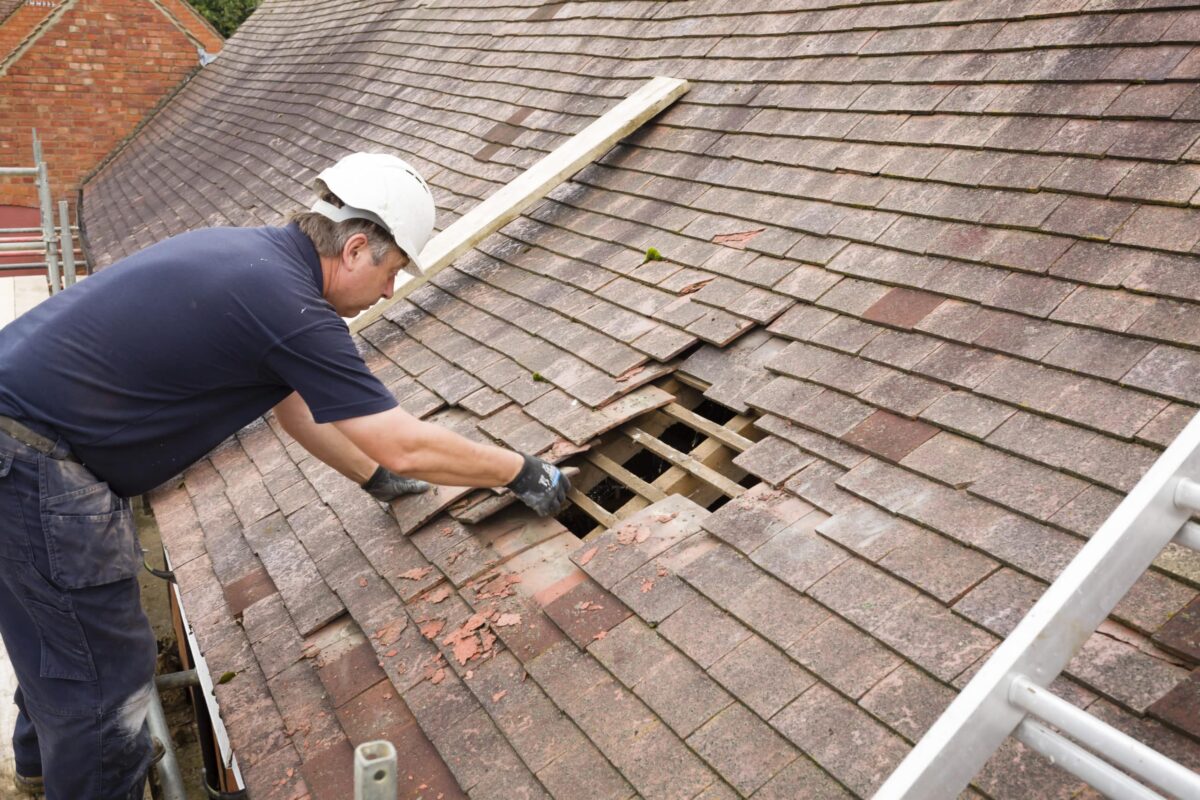
Roof damage is another major expense that can surprise homeowners. Roofs are constantly exposed to weather conditions such as heavy rain, wind, snow, and extreme heat. Over time, these elements gradually wear down roofing materials.
Estimates from roof replacement cost estimates show that roof repairs alone can cost more than $1,400 on average, while full roof replacements can reach five-figure totals depending on the size of the house and the materials used.
Typical signs that a roof may need repair include:
• missing or curling shingles
• water stains on ceilings
• leaks during heavy rain
• sagging roof sections
Routine roof inspections and timely shingle replacement can help homeowners extend the life of their roofing system.
HVAC System Replacement
Heating and cooling systems are essential for comfort, but they are also expensive to repair or replace. HVAC systems work hard throughout the year, especially in regions with extreme temperatures.
Industry estimates show that average HVAC replacement costs typically range between $5,000 and $8,300 depending on the type of system and the size of the home.
Signs that an HVAC system may be failing include:
• inconsistent indoor temperatures
• unusually high energy bills
• strange noises from vents or equipment
• frequent system cycling
Preventive maintenance—such as replacing filters and scheduling seasonal inspections—can help extend the lifespan of HVAC equipment.
Plumbing Failures and Water Damage
Plumbing issues are another common source of expensive repairs. Leaking pipes, broken water heaters, and hidden pipe damage can lead to serious water damage inside walls or floors.
Water damage often spreads quickly, affecting multiple parts of the home. If not addressed early, it can lead to mold growth, structural damage, and expensive restoration work.
Homeowners can reduce the risk of plumbing emergencies by:
• inspecting pipes and fixtures regularly
• monitoring water pressure levels
• repairing small leaks immediately
• maintaining water heaters and valves
Routine inspections are often enough to prevent small plumbing issues from turning into large repair bills.
Electrical System Repairs
Electrical problems are less common than plumbing or roofing issues, but they can be both expensive and dangerous when they occur. Faulty wiring, overloaded circuits, and outdated electrical panels can create serious safety risks.
Signs that electrical systems may need professional attention include:
• flickering lights
• frequent circuit breaker trips
• burning smells near outlets
• outdated electrical panels
Licensed electricians can inspect wiring and upgrade older systems to prevent safety hazards and expensive future repairs.
The Average Cost of Home Repairs
Many homeowners underestimate how much they spend on repairs and maintenance each year. Data from average home repair spending data shows that U.S. homeowners spend roughly $2,041 annually on general maintenance and about $1,143 on emergency repairs.
While these costs may seem manageable individually, larger repairs like foundation damage or roof replacement can quickly exceed these yearly averages.
This is why preventive maintenance is often the most effective strategy for reducing long-term homeownership costs.
How Homeowners Can Prevent Expensive Repairs
Although major repairs cannot always be avoided, many problems can be prevented with simple maintenance habits.
Some practical prevention strategies include:
• inspecting roofs and gutters each season
• keeping drainage systems clear around the foundation
• scheduling HVAC maintenance annually
• fixing small plumbing leaks immediately
• monitoring energy bills for unusual spikes
These steps help identify problems early before they become expensive structural repairs.
Bottom Line
Owning a home inevitably involves maintenance and occasional repairs, but some of the most expensive problems can be prevented with early attention. Foundation issues, roof damage, HVAC failures, plumbing leaks, and electrical problems are among the costliest repairs homeowners face.
By staying alert to warning signs and performing routine inspections, homeowners can often catch issues early and avoid the financial shock of major repairs. In many cases, a small fix today can prevent a much larger bill in the future.