
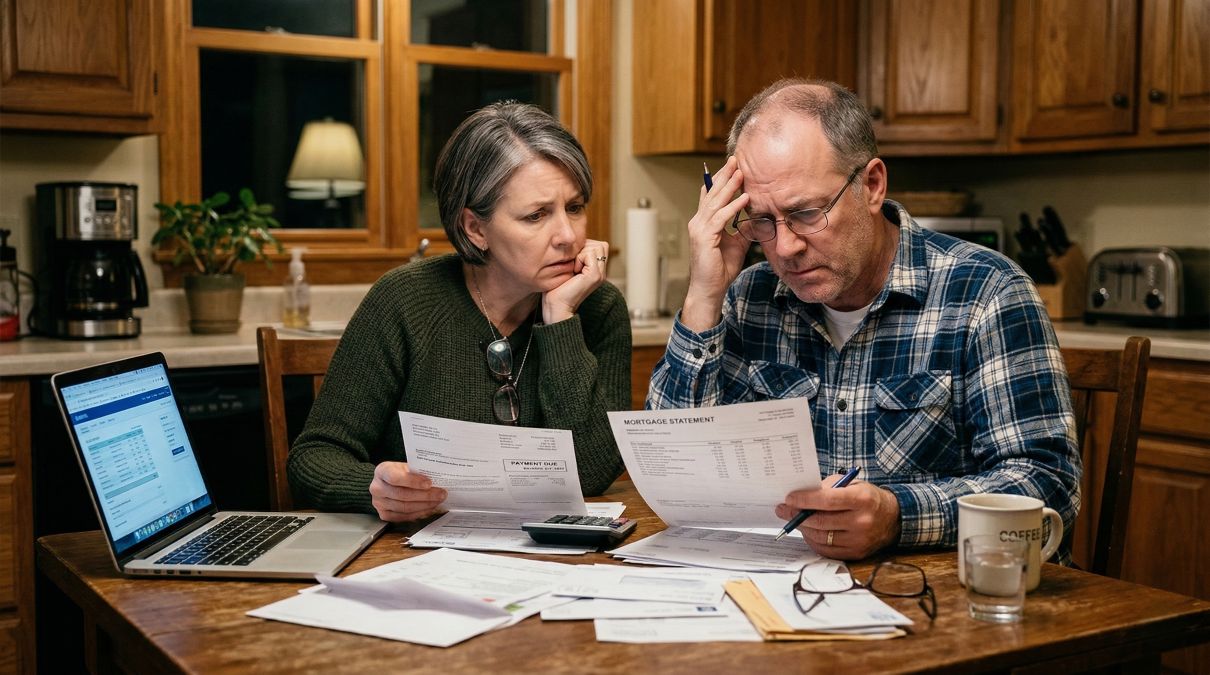
Interest rates play a powerful role in the economy, influencing everything from mortgage payments to savings accounts. When interest rates rise, the effects ripple through nearly every part of the financial system. For households, higher rates can mean more expensive loans, changing housing affordability, and new opportunities for savers.
In recent years, interest rates have become one of the most closely watched economic indicators as central banks attempt to control inflation while maintaining stable economic growth. Understanding how rising rates affect everyday financial decisions can help individuals better navigate changing economic conditions.
What Interest Rates Actually Represent
An interest rate is the cost of borrowing money or the reward for saving it. When individuals take out a loan—whether for a house, car, or credit card—they pay interest to the lender. Conversely, when people deposit money in savings accounts or invest in certain financial products, they earn interest.
Interest rates are influenced by many factors, but central banks play a major role. In the United States, the Federal Reserve adjusts benchmark rates to help manage inflation and economic activity.
According to the Federal Reserve explanation of interest rates, changes in interest rates can influence borrowing behavior, spending patterns, and overall economic growth.
When the Federal Reserve raises interest rates, borrowing becomes more expensive, which often slows spending and investment.
How Rising Rates Affect the Housing Market
Housing is one of the sectors most sensitive to interest rate changes. Mortgage rates are closely tied to broader interest rate trends, meaning that when rates rise, the cost of buying a home typically increases.
For example, a small increase in mortgage rates can significantly raise monthly payments for homebuyers. This can reduce affordability and limit how much buyers are able to borrow.
Research on how interest rates affect the housing market shows that higher borrowing costs often slow demand for homes because fewer buyers can afford higher mortgage payments.
As demand declines, housing markets may cool, which can stabilize or even lower home prices in some areas. However, housing shortages in certain regions can still keep prices elevated despite higher interest rates.
Mortgage Payments and Borrowing Power
One of the most immediate impacts of rising interest rates is reduced purchasing power for potential homebuyers.
When mortgage rates increase, buyers must either accept higher monthly payments or reduce the price range of homes they can afford. This can significantly affect housing markets, especially in areas where prices are already high.
Financial experts often analyze how rising interest rates affect homebuying power to understand how borrowing costs influence housing demand.
For example, even a one-percentage-point increase in mortgage rates can add hundreds of dollars to a monthly mortgage payment depending on the loan size.
As a result, many potential buyers delay purchasing homes during periods of rising interest rates.
Higher Rates and Consumer Loans
Interest rates also influence many types of consumer loans beyond mortgages.
Higher interest rates typically lead to higher costs for:
• auto loans
• credit cards
• personal loans
• student loans
Because these loans become more expensive, consumers often reduce borrowing when interest rates increase.
For households carrying variable-rate debt—such as credit card balances—rising interest rates can quickly increase monthly payments. This can make it more difficult to manage debt and may reduce disposable income.
Lenders also tend to tighten borrowing standards when rates rise, making it harder for some borrowers to qualify for loans.
The Positive Side: Higher Returns for Savers
While rising interest rates increase borrowing costs, they can benefit people who save money.
Banks and financial institutions often increase the interest paid on savings accounts, certificates of deposit (CDs), and other fixed-income investments when rates rise.
This means savers can earn higher returns on their deposits.
Economic research into interest rates and savings behavior shows that higher interest rates tend to encourage saving rather than spending.
For individuals with substantial savings, this can create opportunities to generate more income from interest payments.
However, the extent of these benefits depends on how quickly banks adjust the rates they offer to customers.
How Rising Rates Affect the Broader Economy
Interest rates influence economic activity far beyond individual households.
When borrowing becomes more expensive, businesses may delay investments in new equipment, expansion projects, or hiring. This can slow overall economic growth.
At the same time, higher interest rates can help control inflation by reducing excessive spending and cooling demand across the economy.
Central banks carefully adjust interest rates to balance these effects. Raising rates too quickly can slow economic growth too much, while keeping rates too low can allow inflation to accelerate.
Because of this delicate balance, financial markets closely watch every signal from central banks about potential interest rate changes.
Strategies for Navigating Higher Interest Rates
Individuals can take several steps to manage their finances during periods of rising interest rates.
Some common strategies include:
• reducing high-interest debt
• locking in fixed-rate loans when possible
• increasing savings contributions
• reviewing investment portfolios
Financial advisors often recommend focusing on debt management first, especially for credit card balances with variable interest rates.
At the same time, higher savings yields may make certain low-risk financial products more attractive during high-rate environments.
Bottom Line
Rising interest rates affect nearly every aspect of personal finance. From mortgage payments to savings accounts, rate changes shape how households borrow, spend, and save money.
Higher rates typically make borrowing more expensive, which can slow housing demand and reduce consumer spending. At the same time, they often provide better returns for savers and help stabilize inflation.
For households navigating changing economic conditions, understanding how interest rates influence financial decisions can help individuals make smarter choices about housing, debt, and long-term savings.