
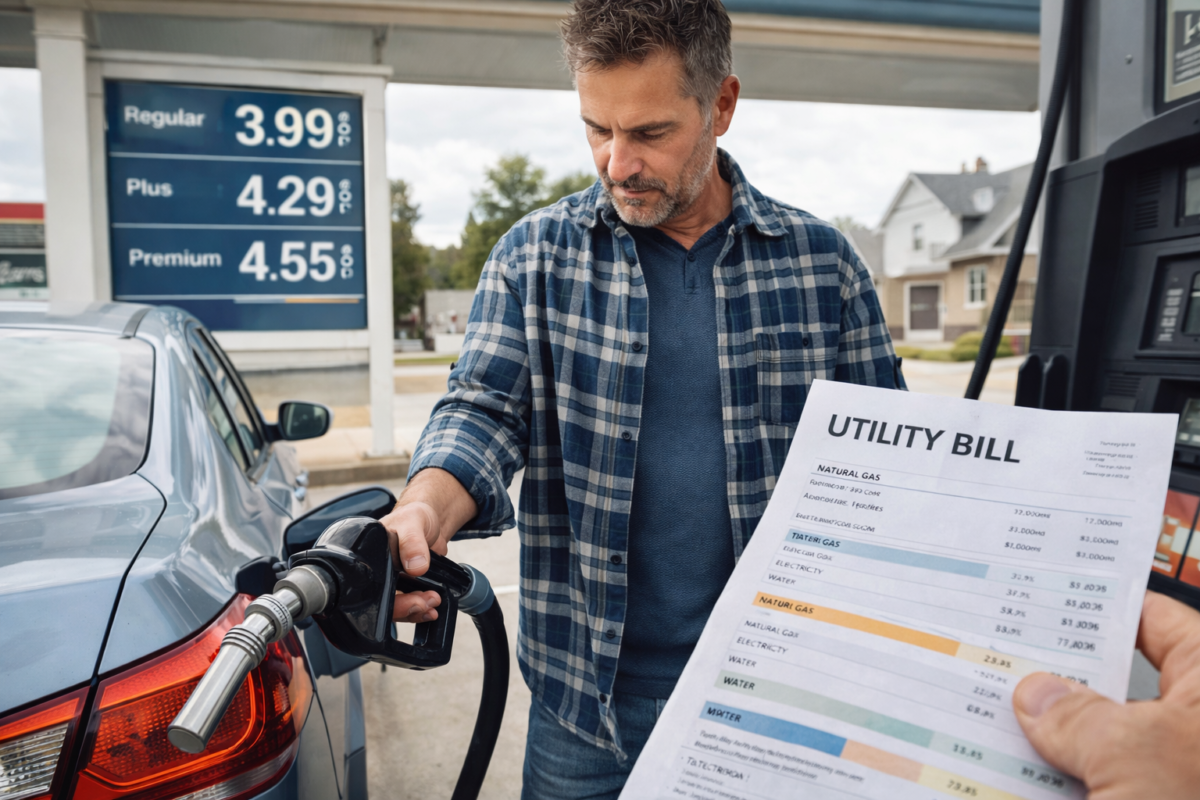
Gas prices are climbing again in parts of the United States, and many households are beginning to notice the impact. While most people first see the change at gas stations, higher fuel costs often ripple through the entire economy — affecting transportation, electricity prices, and household budgets.
For homeowners, rising energy costs can show up in unexpected places. Heating bills, electricity rates, and even the cost of home services may increase when fuel prices move higher.
Why Gas Prices Are Increasing
The biggest factor influencing gasoline prices is the cost of crude oil. When oil becomes more expensive globally, gasoline prices usually follow shortly after.
According to the U.S. Energy Information Administration, crude oil accounts for the largest share of gasoline costs in the United States. The agency explains the major pricing components in Factors affecting gasoline prices, which include crude oil, refining, distribution, and taxes.
Global events can also move energy markets quickly. Supply disruptions, geopolitical tensions, and production changes often push oil prices upward.
Recent market analysis in Oil prices surge as global tensions disrupt energy markets highlights how uncertainty in global energy supply chains can trigger rapid increases in fuel prices.
How Rising Fuel Costs Affect Homeowners
Although gasoline is usually associated with transportation, higher fuel prices can affect homeowners in several ways.
Transportation and logistics rely heavily on fuel. When fuel prices rise, the cost of delivering goods, construction materials, and services often increases as well. These costs may eventually be reflected in everyday consumer prices.
Fuel prices also influence electricity production. Many power plants depend on fossil fuels such as natural gas, and higher energy costs can contribute to rising utility bills.
Energy companies explain that weather conditions, demand spikes, and supply disruptions can all increase household energy costs, as described in Why energy bills are rising for households.
Electricity Prices Are Also Climbing
Electricity prices have been rising in several regions, adding another layer of pressure for homeowners already dealing with higher fuel costs.
Infrastructure upgrades, growing demand, and energy transition projects are contributing to rising electricity expenses in many parts of the United States.
A recent report discussed in Why electricity prices are increasing in the U.S. notes that electricity costs in some states are increasing faster than inflation, partly due to grid modernization and energy supply challenges.
For households, these rising costs may appear in the form of higher monthly utility bills even if energy consumption stays the same.
What Homeowners Can Do to Reduce Energy Costs
While individuals cannot control global fuel markets, homeowners can take practical steps to reduce the impact of rising energy prices.
Improving home energy efficiency is one of the most effective strategies. Sealing windows, upgrading insulation, and installing programmable thermostats can help reduce heating and cooling costs.
Monitoring electricity use can also help households identify areas where energy is being wasted. Smart thermostats and energy monitoring systems allow homeowners to track consumption and adjust usage patterns.
Some homeowners are also investing in renewable energy solutions such as rooftop solar panels. While installation costs can be significant, long-term savings and government incentives are encouraging more households to explore alternative energy options.
Looking Ahead
Energy markets are likely to remain volatile as global demand continues to grow and energy systems evolve. Changes in oil production, international events, and infrastructure development can all influence fuel prices.
For homeowners, staying informed about energy trends and improving household energy efficiency can help manage the financial impact of rising fuel and electricity costs.
As gas prices rise again, many households are paying closer attention to how energy markets affect everyday expenses — and looking for practical ways to keep their budgets under control.